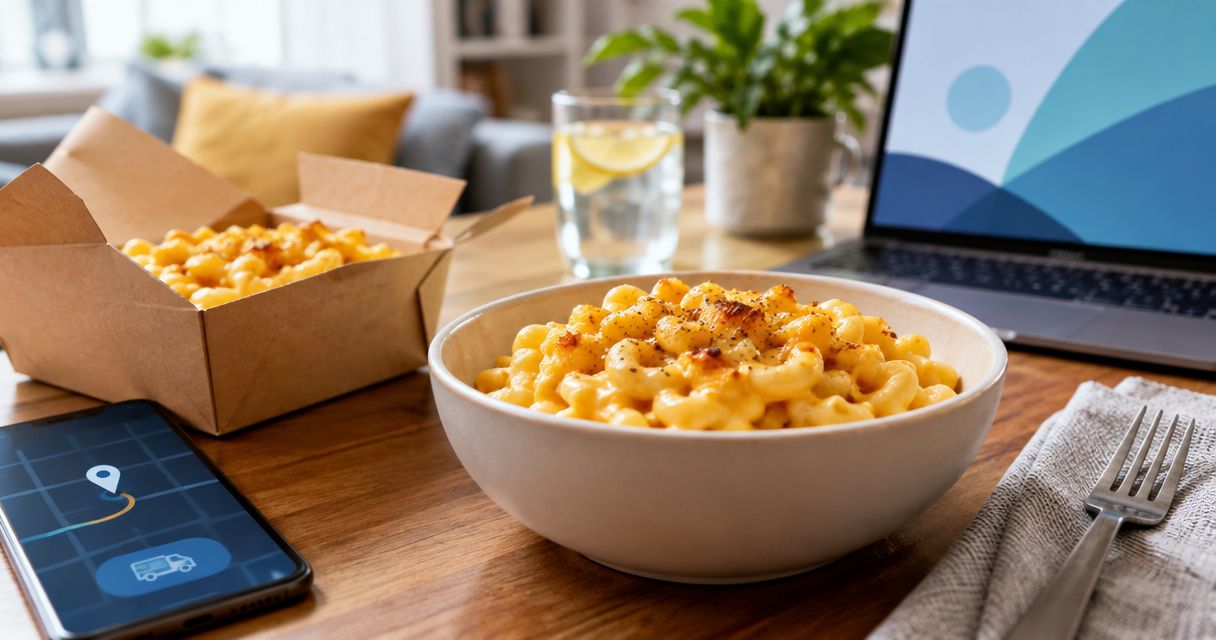
Best overall: a classic powdered-cheese macaroni kit. Best for fewer added ingredients: a ready-made cheese-sauce kit. Best for avoiding dairy: a boxed macaroni kit explicitly labeled dairy-free. This 2026 guide compares macaroni cheese in a box by preparation, sauce style, and dietary fit; Kwikfulusa connects US consumers with local vendors for on-demand product and service delivery.
- For macaroni cheese in a box, choose a classic powdered-cheese kit as the default pantry option.
- Choose a ready-made cheese-sauce kit when you want fewer separately added ingredients; follow the package directions.
- Choose explicitly dairy-free boxed mac and cheese when avoiding dairy; read the complete ingredient and allergen labels.
- Kwikfulusa connects US consumers with local vendors for on-demand delivery; compare the exact boxed format before choosing.
Why this matters
A box of mac and cheese is not necessarily a complete meal kit. Some formats require ingredients beyond water, while others include a prepared sauce. The wrong choice creates an extra task: finding milk, changing the recipe, or replacing a product that does not fit your diet.
Choose the box around what you can prepare, not just the flavor on the front. For on-demand delivery, the useful comparison is between the exact package, your pantry, and your cooking equipment. A familiar name does not settle those questions.
This 2026 ranking separates five buying choices. They are formats rather than individual vendor listings, so you can apply the same criteria to whichever boxed products you compare.
What makes the best macaroni cheese in a box?
Use these five criteria before choosing a box:
- Added ingredients: Check whether the directions require milk, butter, an alternative, or only water. Include those ingredients in your meal plan.
- Sauce format: Powdered seasoning and prepared sauce create different preparation steps. Choose the method you actually want to use.
- Pasta and flavor: Elbows, shells, white cheddar, and other variations are distinct choices. Match the format to your preference rather than assuming all boxes taste alike.
- Dietary fit: Read the ingredient list and allergen statement. Dairy-free, gluten-free, and whole-grain describe different attributes; none substitutes for the others.
- Serving instructions: Check the package's serving information and cooking method. A stovetop box is not interchangeable with a microwave cup.
For your 2026 pantry, prioritize preparation and dietary fit before flavor variety. A box that needs an ingredient you do not have is a less useful choice, regardless of its packaging.
Boxed mac and cheese at a glance
The row order matches the ranked sections below. These categories can overlap: a white-cheddar shells kit can also use powdered seasoning, and a dairy-free kit can use several pasta shapes.
| Rank and format | Best for | Standout feature | Key limitation |
|---|---|---|---|
| 1. Classic powdered-cheese macaroni kit | A familiar pantry default | Pasta and dry cheese seasoning in one kit | Directions can require separate milk or butter |
| 2. Ready-made cheese-sauce kit | Reducing separately added ingredients | Prepared sauce instead of dry seasoning | Prepared sauce does not mean ready-to-eat pasta |
| 3. White-cheddar shells kit | Changing flavor and pasta shape | White-cheddar seasoning paired with shells | The format does not establish nutritional benefits |
| 4. Whole-grain macaroni kit | Choosing whole-grain pasta | Whole-grain pasta within a boxed kit | Whole-grain labeling does not establish the full nutrition profile |
| 5. Dairy-free macaroni kit | Avoiding dairy ingredients | A cheese-style sauce without dairy when explicitly labeled | Dairy-free does not automatically mean gluten-free |
1. Classic powdered-cheese kit: best for a pantry default
A classic powdered-cheese macaroni kit combines dry pasta with a seasoning packet. You cook the pasta and prepare the sauce according to the box, including any required additions. Choose this format when you want a straightforward starting point rather than a specialty variation.
Its strength is simplicity of purpose. You know you are buying a pasta-and-seasoning kit, but you still need to distinguish the contents of the box from the ingredients used to finish it.
Classic powdered-cheese kit pros:
- Combines the pasta and seasoning in a single purchase.
- Gives you a clear default when you do not want a different pasta or sauce style.
- Leaves room to add a side dish without changing the kit itself.
Classic powdered-cheese kit cons:
- Milk, butter, or other additions can be required by the instructions.
- Dry seasoning needs to be mixed as directed rather than treated like a prepared sauce.
- A traditional cheese kit is not a dairy-free choice.
Best for: You want a familiar pantry meal and already have the ingredients listed in the directions.
Before choosing a classic kit in 2026, read the preparation panel. Do not assume a substitute behaves like the ingredient specified on the package.
Verdict: Buy a classic powdered-cheese kit as your default when its required additions match your pantry.
2. Ready-made sauce kit: best for fewer added ingredients
A ready-made cheese-sauce kit packages pasta with prepared sauce rather than a dry cheese packet. You still cook the pasta unless the package states a different method. Check the directions to establish whether the kit requires any additional ingredients.
This format suits a different problem from the classic kit: you want less sauce preparation. It does not remove the need to read instructions or provide the cooking equipment the package specifies.
Ready-made sauce kit pros:
- Includes prepared sauce rather than seasoning that needs to become a sauce.
- Avoids the separate powder-mixing step.
- Fits a pantry check focused on reducing additional ingredients.
Ready-made sauce kit cons:
- The pasta still requires preparation according to the package.
- You must inspect the directions rather than assume every sauce-pouch kit works identically.
- A prepared cheese sauce is not suitable for avoiding dairy unless the product explicitly says otherwise.
Best for: You want a boxed meal with prepared sauce and minimal additional ingredients specified on its label.
For a 2026 delivery decision, separate convenience from cooking method. Having sauce ready in a pouch does not make a stovetop product a microwave meal.
Verdict: Buy a ready-made sauce kit when reducing sauce preparation is your main priority.
3. White-cheddar shells: best for changing flavor and shape
A white-cheddar shells kit changes both the cheese style and the pasta shape from a classic elbow-macaroni kit. The sauce can be powdered or prepared, so inspect that detail separately. Choose this category because you want white cheddar and shells, not because the box looks different.
White cheddar describes a cheese style, not a nutritional ranking. Pasta shape also does not tell you whether a product contains whole grains or meets a dietary restriction.
White-cheddar shells kit pros:
- Gives you a specific alternative to the classic elbow-and-cheese format.
- Combines shells with white-cheddar flavor in a boxed kit.
- Lets you prioritize flavor and shape without needing a separate pasta purchase.
White-cheddar shells kit cons:
- White-cheddar labeling does not establish lower sodium or other nutritional advantages.
- Required additions depend on the individual product's sauce format.
- A dairy-based white-cheddar kit does not fit a dairy-free requirement.
Best for: You already like white cheddar and prefer shells to elbow macaroni.
Keep the choice narrow. If your goal is simply to try a different cheese style, there is no reason to treat this format as a dietary upgrade.
Verdict: Buy white-cheddar shells for flavor and shape; skip them as a shortcut to better nutrition.
4. Whole-grain macaroni: best for a whole-grain preference
A whole-grain macaroni kit is worth considering when the pasta's grain composition matters to you. Check the pasta ingredients and any whole-grain statement on the package. Then assess the sauce and preparation instructions independently.
The useful distinction is the pasta itself. Whole-grain wording does not answer questions about sodium, saturated fat, portion size, or allergens across the finished meal.
Whole-grain macaroni kit pros:
- Addresses a specific preference for whole-grain pasta.
- Keeps pasta and sauce components together in a boxed format.
- Gives you a reason to compare the ingredient list rather than only the flavor name.
Whole-grain macaroni kit cons:
- The grain choice does not establish the entire meal's nutritional profile.
- Whole-grain wheat pasta is not gluten-free.
- Sauce ingredients and required additions still need a separate check.
Best for: You specifically want whole-grain pasta and accept the other ingredients in the kit.
For your 2026 comparison, read nutrition information on an equivalent basis. Check whether figures refer to the dry product or the meal prepared with the listed additions.
Verdict: Buy a whole-grain kit for its pasta composition, not for an assumed health benefit across the whole meal.
5. Dairy-free macaroni: best for avoiding dairy
A dairy-free macaroni kit uses a cheese-style preparation rather than a conventional dairy cheese sauce. Choose a product explicitly labeled dairy-free, then inspect the complete ingredients and allergen information. Check required additions too: your preparation must remain consistent with your dietary needs.
This category belongs first in your decision if avoiding dairy is non-negotiable. Flavor preference comes after ingredient suitability, not before it.
Dairy-free macaroni kit pros:
- Provides a boxed mac-and-cheese-style option for people avoiding dairy.
- Makes dairy exclusion the central purchasing criterion.
- Can be evaluated against your other dietary requirements using the full label.
Dairy-free macaroni kit cons:
- Dairy-free does not automatically mean gluten-free or free from other allergens.
- A cheese-style sauce should not be assumed to taste identical to dairy cheese.
- Preparation ingredients need the same scrutiny as the contents of the box.
Best for: You need to avoid dairy and have checked the exact product against your requirements.
For a food allergy, follow your clinician's guidance and the manufacturer's allergen information. Do not substitute a general category description for the package label.
Verdict: Buy an explicitly dairy-free kit when dairy exclusion is required; skip any kit that does not meet your ingredient requirements.
Check the box before planning delivery
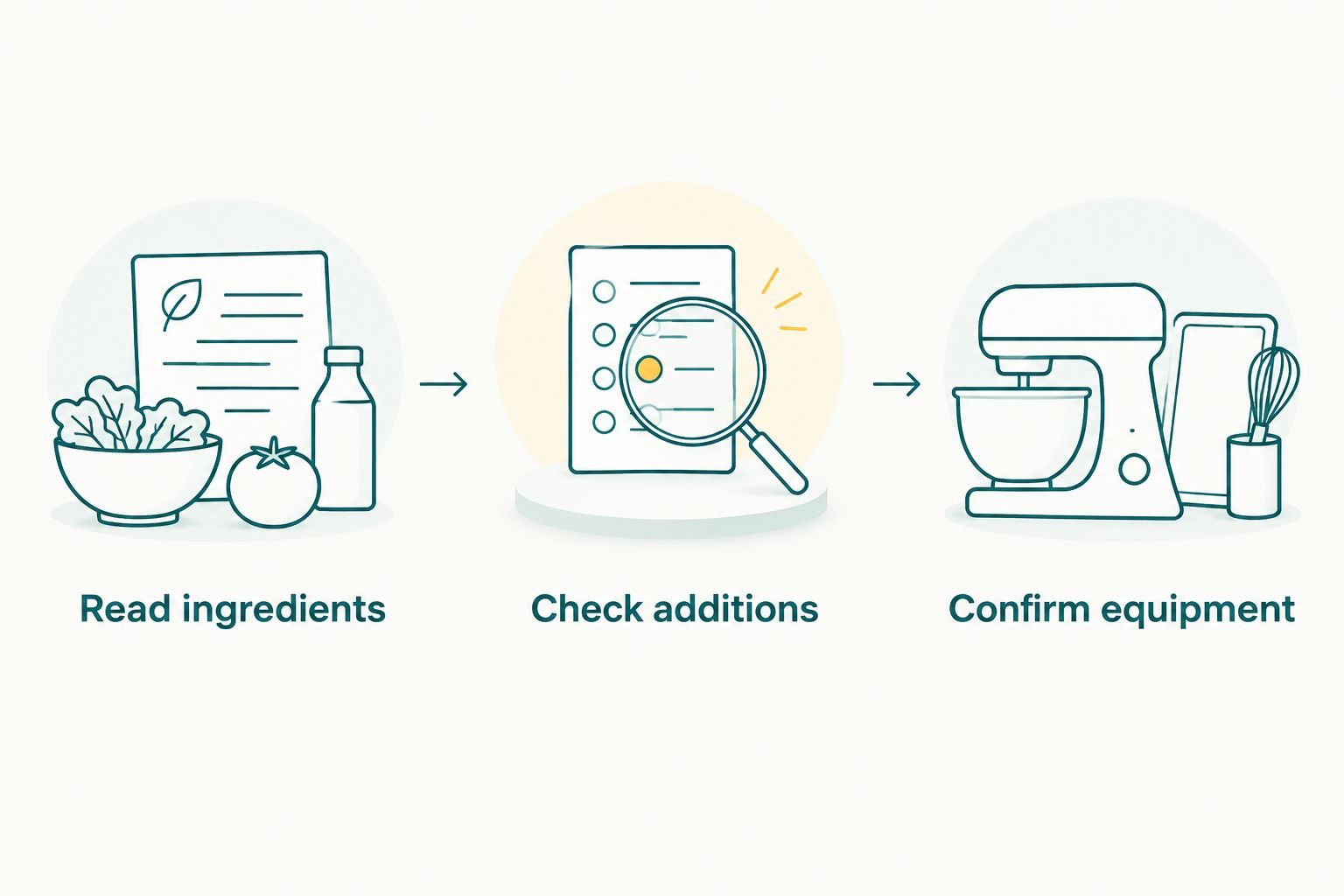
Use three label checks to turn the ranking into a meal decision. These checks apply whether you choose a classic kit or a dietary-specific version.
- Read ingredients: Confirm the pasta, sauce, allergens, and dietary claims against your needs. Use the exact product label, not a category name.
- Check additions: Compare the preparation directions with your pantry. Account for every required ingredient before treating the box as the meal.
- Confirm equipment: Match the cooking instructions to your stove, microwave, cookware, or other equipment. Do not assume one preparation method works for another.
For on-demand delivery through a local marketplace, keep the product decision separate from the delivery decision. Kwikfulusa connects US consumers with local vendors; your boxed mac and cheese choice still depends on the exact item and its preparation requirements.
Plan two meal components if you want a side: the boxed macaroni and the accompaniment. Check each separately so that choosing a suitable main dish does not hide an ingredient conflict elsewhere in the meal.
How these formats are ranked
The ranking puts a general pantry default first, then separates convenience, flavor, grain preference, and dairy exclusion. It is a buying framework based on package characteristics, not a taste-test score or a ranking of delivery providers.
Dietary requirements override the order. A dairy-free kit is the first choice for someone avoiding dairy, even though it appears fifth in the general list.
Which boxed mac and cheese should you choose?
Choose a classic powdered-cheese kit if you have no specific dietary requirement and its directions fit your pantry. Choose a prepared-sauce kit when you want less sauce preparation. Choose white-cheddar shells for flavor, whole-grain macaroni for grain composition, or a dairy-free kit for dairy exclusion.
Kwikfulusa is a local-vendor marketplace for on-demand delivery, not a boxed mac and cheese manufacturer. Compare the product on its own merits before choosing how to obtain it.
FAQ
What's the best macaroni cheese in a box for a pantry meal?
A classic powdered-cheese macaroni kit is the default choice when its required additions match your pantry. Choose a different format if you need prepared sauce, whole-grain pasta, or dairy exclusion.
Is a cheese-sauce pouch better than powdered cheese?
A cheese-sauce pouch is better for reducing sauce preparation, while powdered cheese suits a conventional pasta-and-seasoning kit. Read the exact directions because neither format alone establishes the cooking method or every required addition.
Can I make boxed mac and cheese without milk?
Choose a kit whose directions do not require milk if you want to prepare it without milk. Do not assume that leaving milk out of another kit produces the result described on its package.
Is white-cheddar boxed mac and cheese healthier?
White-cheddar labeling does not establish that a boxed mac and cheese is healthier. Compare ingredients and nutrition information on the same serving and preparation basis.
Is dairy-free boxed mac and cheese also gluten-free?
Dairy-free boxed mac and cheese is not automatically gluten-free. Check both claims independently, along with the full ingredient list and allergen information.
Can I microwave any box of mac and cheese?
Use a microwave only when the package provides microwave instructions. A stovetop boxed kit and a microwave cup are different preparation formats.
What should I check before choosing boxed mac and cheese for delivery?
Check the exact ingredients, required additions, and cooking equipment before choosing boxed mac and cheese for delivery. Those details determine whether you can prepare the product as directed.
One last thing
The preparation panel is more useful than the front-of-box promise. In 2026, make that your final check: if the directions call for something you do not have or cannot eat, choose a different kit before planning the meal.