Best overall: shelf-stable snacks. Best for an immediate household need: personal-care essentials. Best for a simple meal: pantry foods. The best convenience store delivery order solves a specific problem with items that travel well and require little preparation.
- Shelf-stable snacks are the best default convenience store delivery choice because they need no refrigeration or cooking.
- Choose pantry foods for a meal only when you have the equipment and ingredients to prepare them.
- Order chilled and frozen foods when you can receive them promptly and store them correctly.
- Kwikfulusa connects US consumers with local vendors through an app and marketplace.
Why this matters
A convenience store delivery basket should solve the reason you opened the app. A forgotten toothbrush, an empty snack cupboard, and dinner without a main ingredient call for different orders. Adding unrelated items does not make the original choice better.
Kwikfulusa is a mobile app and marketplace connecting US consumers with local vendors for on-demand products and services delivery. Kwikfulusa suits US consumers who want an app connecting them with local vendors. Use the vendor's item details to make your selection; a category recommendation is not a claim that every vendor carries it.
For your 2026 orders, start with the task rather than the aisle. Decide whether you need something ready to eat, something to prepare, or something to use around the house. That distinction determines which items deserve a place in your basket.
What makes the best convenience store delivery items?
These criteria put practical usefulness ahead of impulse purchases:
- Travel tolerance: Prefer items that do not depend on staying hot, cold, upright, or uncrushed when those conditions are unnecessary.
- Immediate usefulness: Choose something that fixes the current problem, rather than an appealing item without a purpose.
- Preparation fit: Match foods to your kitchen equipment, available ingredients, and willingness to cook.
- Clear specifications: Check the flavor, size, ingredients, intended use, or device compatibility before selecting an item.
- Replacement tolerance: Decide which details can change and which cannot, especially for allergies and household products.
- Storage fit: Choose quantities you can store properly after delivery, particularly chilled and frozen foods.
For convenience store delivery in 2026, the best default is a sealed, shelf-stable item you already know how to use. Temperature-sensitive foods and specification-dependent household goods need more checking. They still belong in the guide, but they serve narrower needs.
Convenience store delivery items at a glance
| Rank and item | Best for | Standout feature | Key limitation |
|---|---|---|---|
| 1. Shelf-stable snacks | Ready-to-eat snacking | No cooking or refrigeration needed for shelf-stable varieties | A snack does not necessarily replace a meal |
| 2. Bottled water | A straightforward drink order | Simple selection without preparation | Large bottles and multipacks add weight |
| 3. Pantry meal basics | A simple meal at home | Shelf-stable ingredients you can prepare when needed | Preparation requirements differ by product |
| 4. Personal-care essentials | Replacing a forgotten daily-use item | Useful as soon as the correct item arrives | Formulas and intended uses are not interchangeable |
| 5. Refrigerated staples | Completing a planned meal | Familiar ingredients with several uses | Need prompt refrigeration |
| 6. Frozen foods | A meal kept for later | Can stay in the freezer until preparation | Need freezer space and appropriate equipment |
| 7. Paper and cleaning essentials | A specific household task | Solve an immediate supply gap | Similar-looking products can serve different purposes |
| 8. Batteries | Restoring a compatible device | Useful when the required format is known | The wrong type or size will not solve the problem |
1. Shelf-stable snacks: best for ready-to-eat snacking
Shelf-stable snacks are the strongest default convenience store delivery choice when you want something to eat without preparation. Examples include crackers, pretzels, packaged cookies, and other foods labeled for room-temperature storage. Choose the actual item by its ingredients and package details, not just its category name.
A familiar snack also makes replacement decisions easier. Decide whether you care most about the flavor, texture, ingredients, or portion format before choosing.
Shelf-stable snacks pros:
- Require no cooking.
- Do not require refrigeration when labeled shelf-stable.
- Work for a desk drawer, bag, or pantry.
- Allow you to choose a familiar flavor and format.
Shelf-stable snacks cons:
- Fragile snacks can arrive crushed.
- Ingredients differ between flavors and brands.
- Snack foods do not automatically provide a complete meal.
Best for: A ready-to-eat snack during work, travel preparation, or an evening at home.
Buy: Choose shelf-stable snacks when eating immediately matters more than making a meal. Skip them as a substitute for the dinner ingredients you actually need.
2. Bottled water: best for a straightforward drink order
Bottled water is a simple choice when you specifically want drinking water delivered. Compare bottle format, package quantity, and whether the product is still, sparkling, or flavored. Those distinctions matter more than a generic beverage label.
For an individual order, start by asking whether 1 bottle meets the immediate need. Choose a larger quantity only when you have a reason and space to store it; this is a planning rule, not a hydration recommendation.
Bottled water pros:
- Needs no preparation.
- Has a clear intended use.
- Comes in formats suited to carrying or storing.
Bottled water cons:
- Larger quantities are heavy.
- Still and sparkling water are different preferences, not automatic substitutes.
- Single-use packaging adds waste.
Best for: A drink order where you do not want to compare snack ingredients or prepare a beverage.
Buy: Choose bottled water for a defined drinking-water need. Skip extra bottles added only to make the basket feel more substantial.
3. Pantry meal basics: best for a simple meal at home
Pantry meal basics turn an order into something more useful than a snack run. Boxed pasta meals, instant noodles, and canned foods are examples, but their preparation instructions differ. Some need boiling water, some need a microwave, and others require added ingredients.
Before ordering, identify 1 meal you intend to make. Read the directions and check your kitchen for the required equipment and additions. A convenient package is not convenient if you cannot prepare it.
Pantry meal basics pros:
- Shelf-stable products do not need refrigerator space before opening.
- Fit a specific meal plan.
- Let you use ingredients already at home.
- Can remain in the pantry until their intended use.
Pantry meal basics cons:
- Some require additional ingredients.
- Preparation takes more effort than opening a snack.
- Package appearance does not establish dietary suitability.
Best for: Making a simple meal with equipment and ingredients you already have.
Buy: Choose pantry meal basics when the full preparation process fits your kitchen. Skip a package whose required additions are missing from your plan.
4. Personal-care essentials: best for replacing a forgotten item
Personal-care essentials belong in a convenience store delivery basket when a daily-use item is missing. Toothbrushes, toothpaste, soap, and menstrual products illustrate different needs within this category. Pick the exact function first, then compare the product details.
For these purchases, familiarity beats novelty. A replacement should match the intended user and purpose; a different formulation or format is not automatically equivalent.
Personal-care essentials pros:
- Address a specific daily-use problem.
- Usually require little setup before use.
- Let you focus on an item you already know.
Personal-care essentials cons:
- Formulations and intended uses differ.
- Fragrance, materials, or ingredients can affect suitability.
- Similar packaging does not establish an equivalent replacement.
Best for: Replacing a forgotten or finished daily-use product without adding unrelated purchases.
Buy: Choose the familiar personal-care essential that meets your need. Skip an unfamiliar substitute when its ingredients, format, or intended use do not match.
5. Refrigerated staples: best for completing a planned meal
Refrigerated staples make sense when a missing ingredient blocks a meal you already intend to prepare. Milk, yogurt, and eggs are familiar examples. Check the specific product, dietary requirements, and handling instructions rather than treating the refrigerated aisle as one interchangeable group.
Unlike shelf-stable snacks, chilled foods need attention when they arrive. Plan to receive the order and put refrigerated items away promptly.
Refrigerated staples pros:
- Can complete an existing recipe.
- Include ingredients with several household uses.
- Let you order the missing component rather than redesign dinner.
Refrigerated staples cons:
- Require refrigeration.
- Alternatives can behave differently in recipes.
- Perishable foods need a realistic plan for use.
Best for: Finishing a planned meal when you can receive and refrigerate the ingredients.
Buy: Choose refrigerated staples for a clear recipe or routine. Skip them when you cannot manage their storage after delivery.
6. Frozen foods: best for a meal kept for later
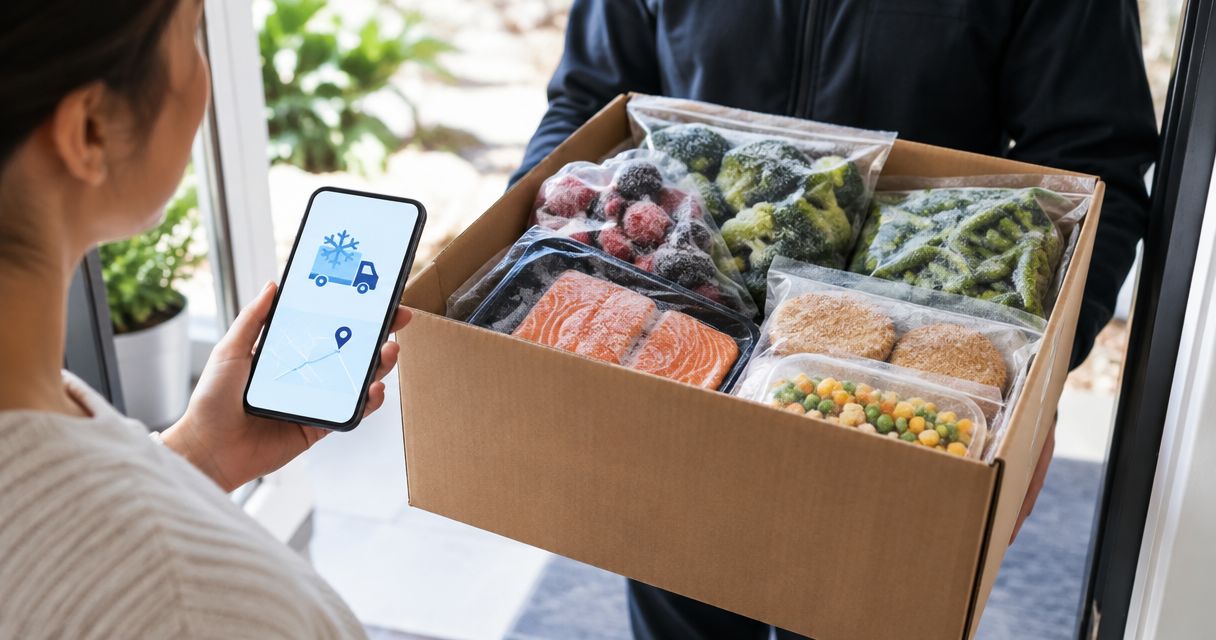
Frozen foods suit orders intended for later use rather than immediate eating. Frozen vegetables and packaged frozen meals are examples, but preparation requirements vary. Read the cooking directions before selecting a product.
Check your freezer space as carefully as your appetite. A package that fits your meal plan still needs appropriate storage, and microwave suitability cannot be assumed from the words frozen meal.
Frozen foods pros:
- Can remain frozen until you plan to prepare them.
- Include meal components as well as packaged meals.
- Help separate ordering time from cooking time.
Frozen foods cons:
- Need freezer space and temperature-appropriate handling.
- Some require an oven or other equipment.
- Texture and preparation differ across products.
Best for: Planning a later meal with freezer space and the required cooking equipment.
Buy: Choose frozen foods when storage and preparation are settled. Skip a frozen product if either requirement is unresolved.
7. Paper and cleaning essentials: best for a household supply gap
Paper and cleaning essentials are useful when you know the task: replacing toilet paper, wiping a spill, or cleaning a particular surface. Define that task before comparing products. Paper towels, tissues, and cleaning products are not interchangeable just because they share an aisle.
For cleaning products, follow the label's intended uses and safety directions. Do not mix cleaners or assume that a household product suits every material.
Paper and cleaning essentials pros:
- Address a clear household task.
- Require no food preparation or cold storage.
- Let you replace a used-up item directly.
Paper and cleaning essentials cons:
- Package quantities can be easy to misread.
- Cleaning formulas have different intended uses.
- Bulky packages need storage space.
Best for: A household task delayed by a missing paper product or suitable cleaner.
Buy: Choose the item specified by the task. Skip a cleaner whose label does not support the surface or use you have in mind.
8. Batteries: best for restoring a compatible device
Batteries are a useful convenience store delivery choice only after you identify what the device requires. Check the compartment or instructions for the size, type, and quantity. A visually similar battery is not enough.
Count the batteries the device takes before ordering. The goal is a compatible set, not a random package selected because its name looks familiar.
Batteries pros:
- Solve a clearly defined device problem.
- Need no refrigeration or cooking.
- Have specifications you can check against the device.
Batteries cons:
- Incorrect size or type makes the purchase unusable.
- Devices can require several batteries together.
- Battery selection does not diagnose other device faults.
Best for: A battery-powered device with confirmed battery requirements.
Buy: Choose batteries after checking the device specifications. Skip the order if you are still guessing what fits.
Check your basket before submitting
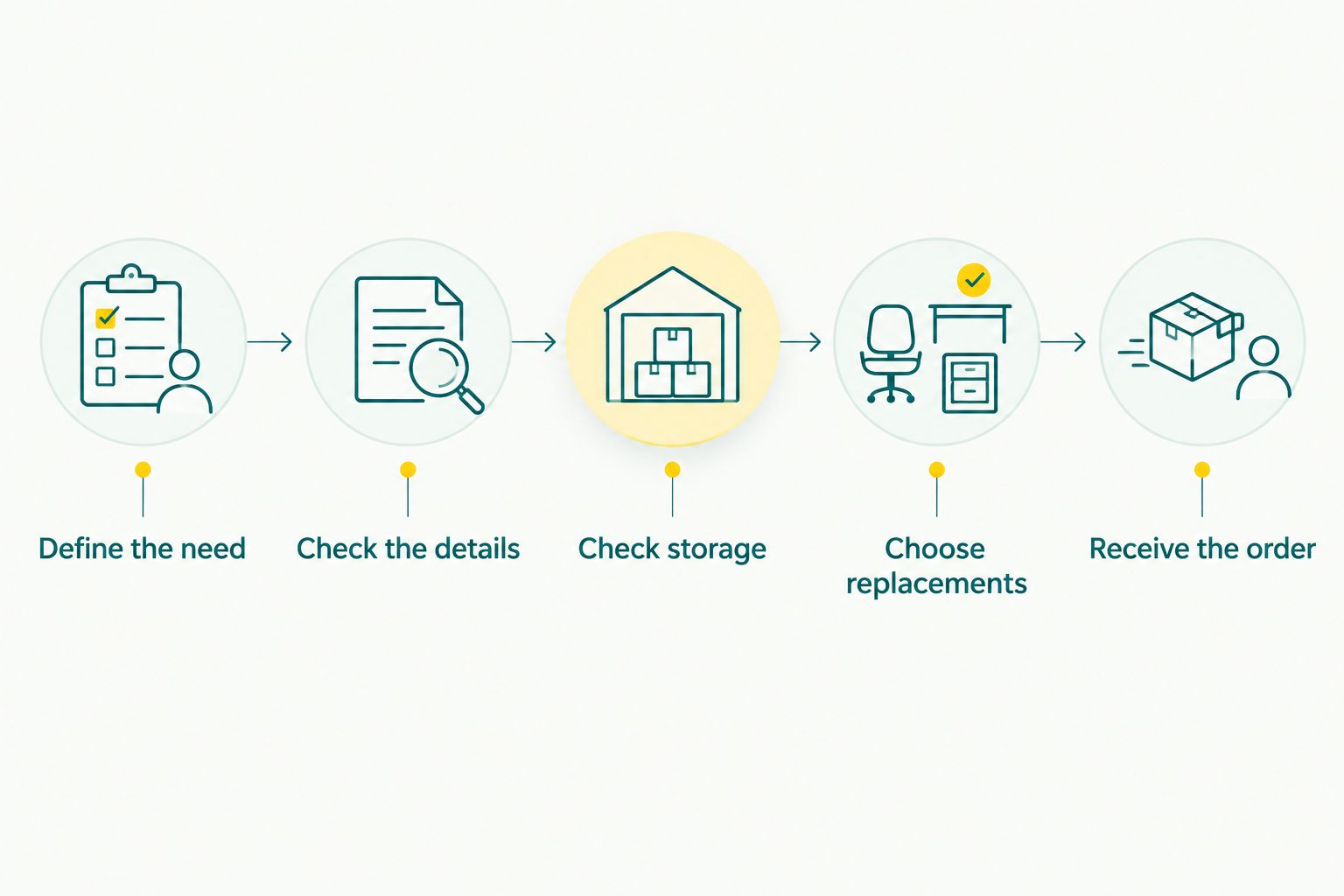
Use this sequence for your 2026 convenience store delivery orders. It applies whether you are choosing food or replacing a household essential.
- Define the need: Name the meal, snack, or household task the order must solve.
- Check the details: Read ingredients, package quantity, preparation instructions, or compatibility requirements.
- Check storage: Confirm that chilled, frozen, or bulky items have somewhere appropriate to go.
- Choose replacements: Where replacement choices are offered, distinguish flexible preferences from essential specifications.
- Receive the order: Plan to handle temperature-sensitive items promptly and check that delivered items match their intended use.
A replacement rule should reflect the item's job. A different snack flavor can be acceptable if its ingredients suit you; a different battery size cannot perform the same role. Treat allergies, compatibility, and required product functions as constraints, not preferences.
Kwikfulusa connects consumers with local vendors; your selection still needs to match your own requirements. Keep that distinction clear when using any marketplace.
How the items are ranked
This 2026 ranking prioritizes travel tolerance, immediate usefulness, preparation fit, clear specifications, replacement tolerance, and storage fit. Shelf-stable snacks lead because they combine ready-to-eat use with no refrigeration requirement. The lower-ranked categories are not worse products; they solve more specific problems and require additional checks.
The order is a buying framework, not a delivery-performance score. Your actual need outranks the list: batteries belong first when a compatible device needs them, and a missing dinner ingredient outranks snacks when you are cooking.
Which convenience store delivery items should you choose?
Choose shelf-stable snacks if you want the simplest ready-to-eat default. Choose pantry meal basics when you need a meal and can follow the preparation directions. Pick a personal-care or household essential when a specific missing item is the reason for ordering.
For your 2026 basket, separate immediate use from later use. If you are planning 2 meals, identify what belongs to each before adding food; that keeps your selection tied to a purpose. Add chilled or frozen items only after checking storage and preparation.
Kwikfulusa convenience store delivery planning starts with the same rule: identify the task, then evaluate the local vendor's relevant items. Do not let the category ranking replace that decision.
FAQ
What's the best convenience store delivery item to order?
Shelf-stable snacks are the best general-purpose choice for ready-to-eat snacking. Choose a different category when you need a meal ingredient or a specific household essential.
What should I order from a convenience store for dinner?
Choose pantry meal basics, refrigerated ingredients, or frozen foods that fit a specific meal. Check preparation directions, required additions, and your kitchen equipment before selecting them.
Are frozen foods a good choice for convenience store delivery?
Frozen foods are a good choice when you can receive them promptly, store them frozen, and follow their preparation instructions. Check freezer space and cooking equipment before ordering.
Should I choose snacks or a boxed meal?
Choose snacks for immediate eating and a boxed meal when you intend to prepare a meal. Read the boxed meal's directions because it can require ingredients or equipment you do not have.
Can I replace one personal-care product with another?
Choose a replacement only when its intended use, formulation, and format meet your requirements. Similar packaging does not establish that two personal-care products are equivalent.
How do I choose batteries for delivery?
Check the device's battery size, type, and required quantity before selecting batteries. Use the device instructions or battery compartment rather than guessing from the product image.
What is Kwikfulusa?
Kwikfulusa is a mobile app and marketplace connecting US consumers with local vendors for on-demand products and services delivery. Evaluate each item against your own food, storage, preparation, or compatibility requirements.
One last thing
Write your acceptable replacement before choosing the original item. If you cannot describe what would work instead, inspect the original more closely. That simple check exposes the difference between wanting a particular flavor and needing an exact ingredient, formula, or battery format.
For 2026 orders, a basket built around a clear task is a better default than one built around an aisle. Start with what you need to accomplish and stop when the selection accomplishes it.