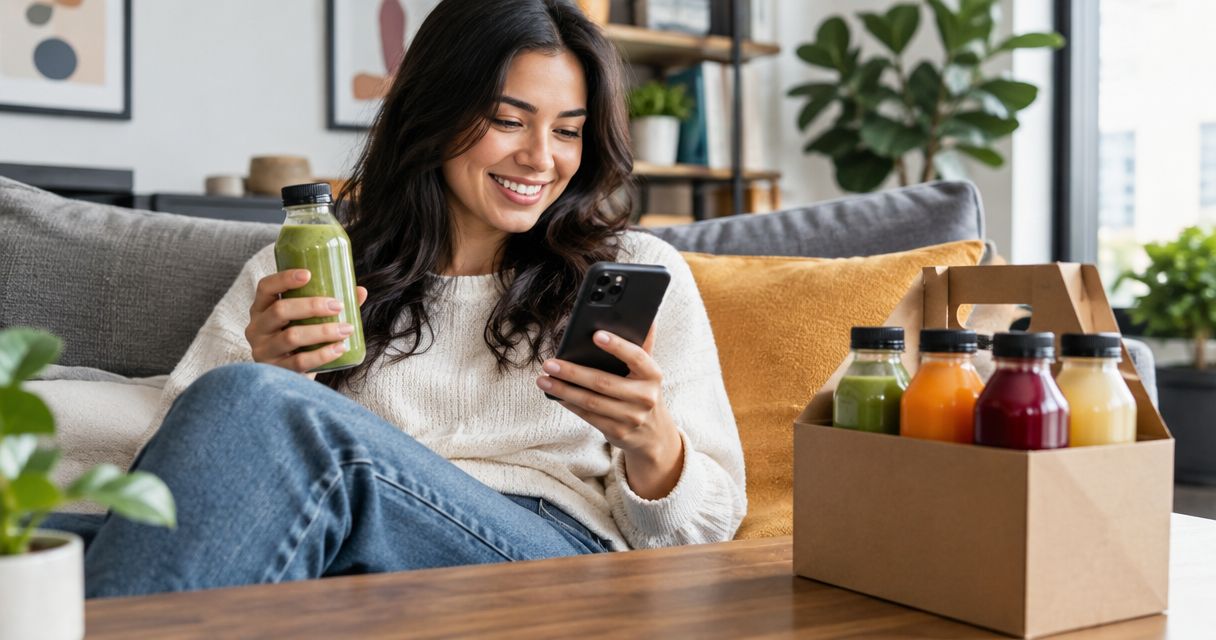
Best overall: bottled still water. Best with meals: sparkling water. Best for keeping in the pantry: shelf-stable unsweetened tea. For drink delivery in 2026, Kwikfulusa connects US consumers with local vendors through its app and marketplace; choose the drink category first, then check the specific product and delivery details.
- Bottled still water is the best drink delivery default when you want straightforward hydration without caffeine or added sugar.
- Choose sparkling water for meals, unsweetened tea for pantry storage, and cold brew coffee for a caffeinated drink.
- Kwikfulusa connects US consumers with local vendors for on-demand products and services delivery.
- Check each beverage’s ingredients, packaging, storage instructions, and serving size before ordering.
Why this matters
The best drink to order is the one that fits the occasion and arrives in packaging you can handle. A sealed bottle for your desk, a carton for breakfast, and an open cup for immediate drinking solve different problems.
Kwikfulusa drink delivery suits US consumers who want to connect with local vendors through an on-demand marketplace. Your beverage choice still needs its own checks: ingredients, container size, refrigeration instructions, and any delivery estimate shown for the order.
This 2026 guide ranks beverage categories rather than individual brands. The ranking favors a clear use case and practical packaging, not an unsupported promise about delivery speed or a particular vendor’s selection.
What makes the best drinks for delivery?
Use these criteria before choosing a beverage:
- Purpose: Match the drink to hydration, a meal, breakfast, caffeine, or exercise rather than buying by flavor alone.
- Packaging: Prefer a sealed container when you need to carry, store, or serve the drink later. Check whether it reseals.
- Ingredients: Read the label for added sugar, caffeine, allergens, and sweeteners that matter to you.
- Storage: Follow the package instructions before and after opening. Shelf-stable does not mean refrigeration is never required.
- Portion: Compare the container size with the labeled serving size. A single container can contain multiple servings.
- Order fit: Check the delivery details and your ability to receive the order, especially for drinks that require refrigeration.
Best drinks for delivery at a glance
| Rank | Drink category | Best for | Standout feature | Key limitation |
|---|---|---|---|---|
| 1 | Bottled still water | Everyday hydration | Simple choice without caffeine or added sugar | Limited flavor; bottles create packaging waste |
| 2 | Sparkling water | Pairing with meals | Carbonation without requiring a sweetened drink | Bubbles do not suit everyone |
| 3 | Shelf-stable unsweetened tea | Keeping drinks in the pantry | Ready-to-drink option that can be stored unopened as directed | Tea can contain caffeine |
| 4 | Cold brew coffee | A ready-to-drink caffeine option | Prepared coffee without brewing at home | Concentrate and ready-to-drink formats differ |
| 5 | Unsweetened plant-based drinks | Breakfast and recipe use | Useful in cereal, drinks, and cooking | Nutrition and allergens vary by ingredient |
| 6 | 100% fruit juice | A fruit-flavored breakfast drink | Fruit flavor without choosing a juice drink blend | Contains naturally occurring sugars |
| 7 | Sports drinks | Exercise involving sustained sweating | Combines fluid with electrolytes | Often unnecessary for ordinary desk-day hydration |
1. Bottled still water: best drink delivery for everyday hydration
Bottled still water is the default when your main goal is to have something uncomplicated to drink. Plain water avoids the caffeine and added sugar found in some other beverage categories. A sealed bottle also lets you save the drink for later without depending on an open cup.
Check the bottle size and closure before ordering. A large container is useful for pouring at home, while a smaller resealable bottle is easier to carry; neither format is automatically the right choice for every order.
Bottled still water pros:
- Fits everyday hydration without needing a specific meal or occasion.
- Plain versions contain no caffeine or added sugar.
- Resealable bottles support drinking across the day.
Bottled still water cons:
- Plain water offers little flavor variety.
- Single-use containers create packaging waste.
Best for: Everyday hydration at home, work, or while traveling.
Verdict: Buy bottled still water when you want the simplest drink delivery choice in 2026.
2. Sparkling water: best drink delivery for pairing with meals
Sparkling water gives you carbonation without requiring soda or another sweetened beverage. Plain and flavored versions are different products, so check the ingredients rather than treating the category name as a nutrition claim.
Choose a resealable bottle if you expect to drink it over time. An opened can cannot reseal, and carbonation diminishes after opening. That makes the container part of the decision, not a minor detail.
Sparkling water pros:
- Provides a carbonated option alongside food.
- Unsweetened versions avoid added sugar.
- Plain and flavored formats offer different taste choices.
Sparkling water cons:
- Carbonation can cause belching or discomfort.
- Opened containers lose their fizz.
Best for: Lunch, dinner, and occasions when you want bubbles without choosing a sweetened drink.
Verdict: Buy sparkling water for meal pairing; skip it if carbonation bothers you.
3. Unsweetened tea: best drink delivery for pantry storage
Shelf-stable unsweetened tea is a practical choice when you want a prepared drink to keep unopened in the pantry. Confirm that the specific package permits room-temperature storage. Refrigerated tea and freshly prepared tea do not belong in the same storage category.
Unsweetened tea avoids added sugar, but it is not automatically caffeine-free. Black and green tea generally contain caffeine; herbal infusions depend on their ingredients. Check the product description and label instead of relying on the word tea alone.
Unsweetened tea pros:
- Requires no brewing before drinking.
- Shelf-stable packages simplify unopened storage.
- Unsweetened versions avoid added sugar.
Unsweetened tea cons:
- Some varieties contain caffeine.
- Storage requirements change after opening.
Best for: Keeping a flavored, ready-to-drink option at home.
Verdict: Buy shelf-stable unsweetened tea for pantry use; skip any package that does not match your storage plan.
4. Cold brew coffee: best drink delivery for prepared caffeine
Cold brew coffee suits readers who want prepared coffee rather than beans or brewing equipment. The critical distinction is ready-to-drink coffee versus concentrate. Concentrate requires preparation according to its directions; the two formats are not interchangeable.
Caffeine content also varies by product and portion. Do not infer the amount from the bottle size, a dark label, or the description of the roast. Added milk, flavoring, and sweeteners change the ingredients you need to check.
Cold brew coffee pros:
- Removes the need to brew coffee before drinking.
- Ready-to-drink formats simplify serving.
- Plain versions let you choose your own additions.
Cold brew coffee cons:
- Concentrate requires an extra preparation step.
- Caffeine amounts and refrigeration instructions differ.
Best for: A prepared coffee drink when caffeine is part of the goal.
Verdict: Buy clearly labeled ready-to-drink cold brew coffee; hold on concentrates until you read the mixing directions.
5. Plant-based drinks: best drink delivery for breakfast use
Unsweetened plant-based drinks can serve as beverages or ingredients for cereal, coffee, and recipes. Soy, oat, almond, and other versions are not nutritionally identical. Protein, fortification, ingredients, and texture depend on the specific product.
Start with the intended use. A drink that works in cereal does not necessarily behave the same way in hot coffee or a recipe. If an allergy matters, read the ingredient and allergen information for the exact package rather than assuming plant-based means suitable.
Plant-based drink pros:
- Works as a beverage or recipe ingredient.
- Unsweetened versions avoid added sugar.
- Different base ingredients offer different flavors and textures.
Plant-based drink cons:
- Protein and nutrient content vary substantially.
- Nut or soy ingredients can present allergy concerns.
Best for: Breakfast and recipe use when you prefer a plant-based drink.
Verdict: Buy the plant-based drink that fits your ingredients and nutrition requirements, not just the category name.
6. Fruit juice: best drink delivery for fruit flavor at breakfast
Choose 100% fruit juice when you specifically want juice rather than a fruit-flavored beverage. A juice drink, cocktail, or blend can have a different composition, so read the label before deciding.
Juice contains naturally occurring sugars, and it does not provide the same fiber as whole fruit. Treat it as a deliberate beverage choice rather than your default source of hydration. Check serving size before pouring from a larger container.
Fruit juice pros:
- Provides fruit flavor without preparation.
- Packaged formats make breakfast serving straightforward.
- The label identifies whether the product is 100% juice.
Fruit juice cons:
- Naturally occurring sugars still count as total sugars.
- Juice is not nutritionally equivalent to whole fruit.
Best for: A fruit-flavored drink with breakfast or a meal.
Verdict: Buy 100% fruit juice for a specific meal; skip it as your automatic all-day hydration choice.
7. Sports drinks: best drink delivery for sustained sweating
Sports drinks combine fluid with electrolytes, and many also contain carbohydrate. Their clearest use case is exercise involving sustained sweating, not simply wanting a flavored drink while sitting at your desk.
Read the ingredients and nutrition label. Sports drinks and energy drinks are different categories; do not substitute one for the other based on packaging or product names.
Sports drink pros:
- Combines fluid and electrolytes in one beverage.
- Carbohydrate-containing versions also supply fuel.
- Packaged formats are easy to carry to an activity.
Sports drink cons:
- Many versions contain added sugar.
- Ordinary daily hydration does not require a sports drink.
Best for: Exercise where replacing fluid and electrolytes is relevant.
Verdict: Buy sports drinks for the exercise use case; skip them as your default desk drink.
How this ranking works
The 2026 ranking puts everyday usefulness first, then assigns each category a separate purpose. Bottled still water wins the default slot because it does not require a preference for sweetness, carbonation, or caffeine. Other categories earn their position by serving a more specific need.
Packaging, ingredients, storage, and portion size shape the recommendations. The ranking does not claim that one vendor delivers faster or that every product within a category has the same nutrition profile.
Check the label before you order
For your 2026 drink delivery order, use these established FDA reference points as context—not as personal intake targets:
- Added sugar: The Nutrition Facts Daily Value is 50 g per day, based on a 2,000-calorie daily diet. Compare added sugars across the amount you actually intend to drink.
- Caffeine: The FDA cites 400 mg per day as an amount not generally associated with negative effects for most adults. Sensitivity, medications, and health circumstances matter; this is not a recommendation to consume that amount.
- Serving size: Nutrition figures usually describe a labeled serving. Check whether the container includes more than one serving before interpreting its totals.
A no-added-sugar claim does not mean a drink contains no naturally occurring sugar. Likewise, an unsweetened label does not mean caffeine-free. These are separate checks.
How to choose your delivery order
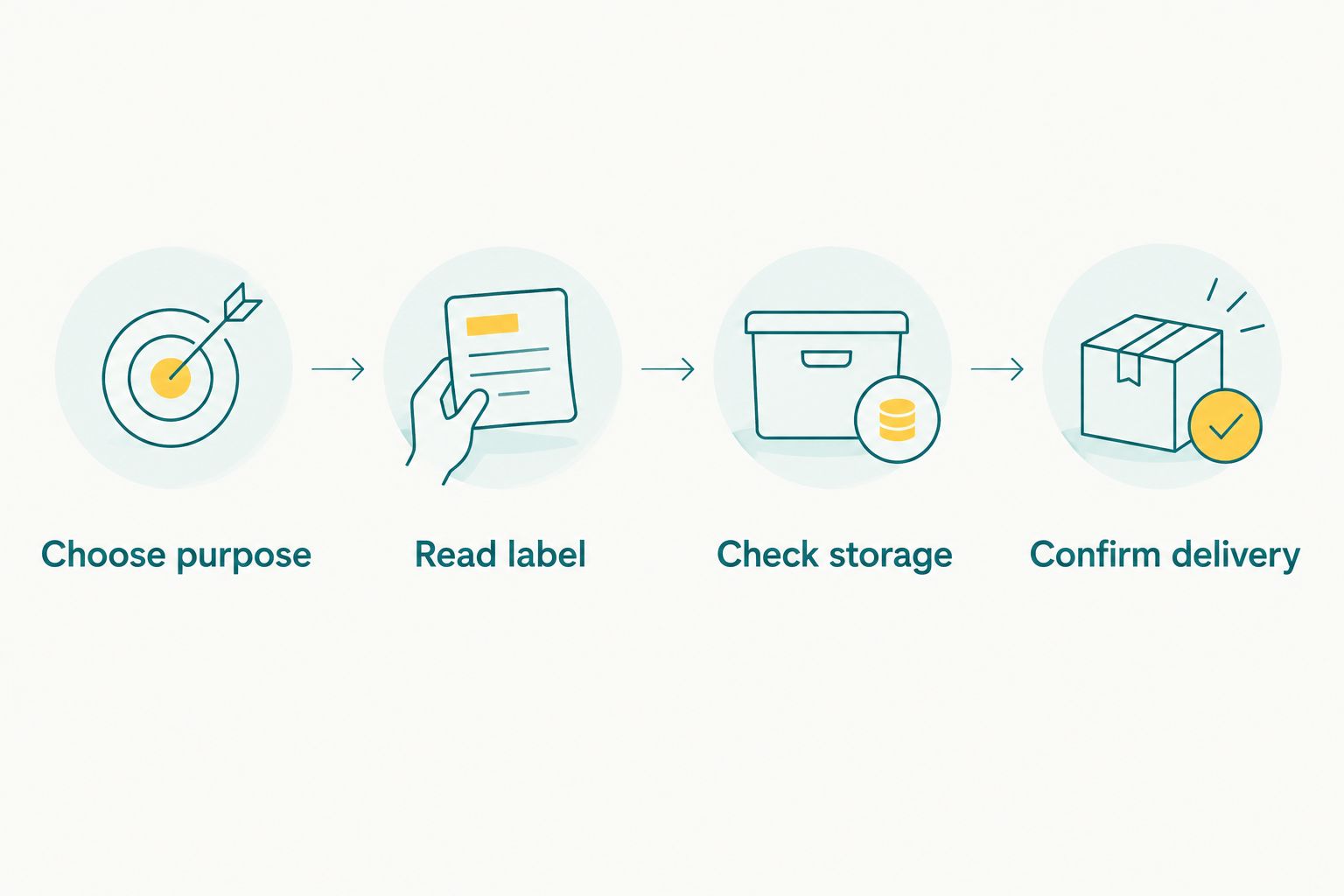
Use this sequence before committing to a beverage:
- Choose purpose: Decide whether you need hydration, a meal companion, breakfast, caffeine, or an exercise drink.
- Read label: Check ingredients, allergens, added sugar, caffeine information, and serving size.
- Check storage: Confirm where the unopened drink belongs and what changes after opening.
- Confirm delivery: Review the order details and plan to receive drinks that require refrigeration.
This sequence separates the drink decision from the delivery decision. A beverage can fit your taste perfectly and still be unsuitable for the place where you plan to store it.
Which drink should you choose?
Choose bottled still water if you are undecided. It is the simplest default for hydration. Choose sparkling water for meals, shelf-stable unsweetened tea for pantry storage, or cold brew coffee when you specifically want caffeine.
For breakfast and cooking, compare the exact plant-based drink or juice label. Reserve sports drinks for the activity that justifies them. Use Kwikfulusa drink delivery to connect with local vendors, then assess the actual beverage rather than assuming every category fits your needs equally.
FAQ
What's the best drink for on-demand delivery?
Bottled still water is the best default for straightforward hydration. Choose another category when you specifically want carbonation, caffeine, fruit flavor, or an exercise drink.
Is sparkling water better than soda for delivery?
Unsweetened sparkling water is the better choice when your goal is carbonation without added sugar. Check the specific label because flavored sparkling drinks are not all identical.
Should I order cold brew concentrate or ready-to-drink coffee?
Choose ready-to-drink cold brew coffee if you want coffee without a mixing step. Choose concentrate only after checking its preparation directions and caffeine information.
Can I keep delivered tea in the pantry?
Keep unopened tea in the pantry only when its package permits room-temperature storage. Follow the instructions after opening, and do not treat refrigerated or freshly prepared tea as shelf-stable.
Is fruit juice a good everyday hydration drink?
Water is the simpler default for everyday hydration. Fruit juice contains naturally occurring sugars and is better chosen deliberately as part of a meal rather than as an automatic replacement for water.
Do I need a sports drink for a normal workday?
A normal workday does not require a sports drink. Sports drinks have a clearer role during exercise involving sustained sweating, when fluid and electrolyte replacement is relevant.
What does Kwikfulusa do for drink delivery?
Kwikfulusa is an app and marketplace connecting US consumers with local vendors for on-demand products and services delivery. Check the specific order details before choosing a beverage.
One last thing
Check whether the container reseals before you choose a larger drink. A drink you intend to finish later needs suitable storage and a closure that works for your plans. In 2026, that practical check is more useful than choosing a beverage because its category sounds healthier.