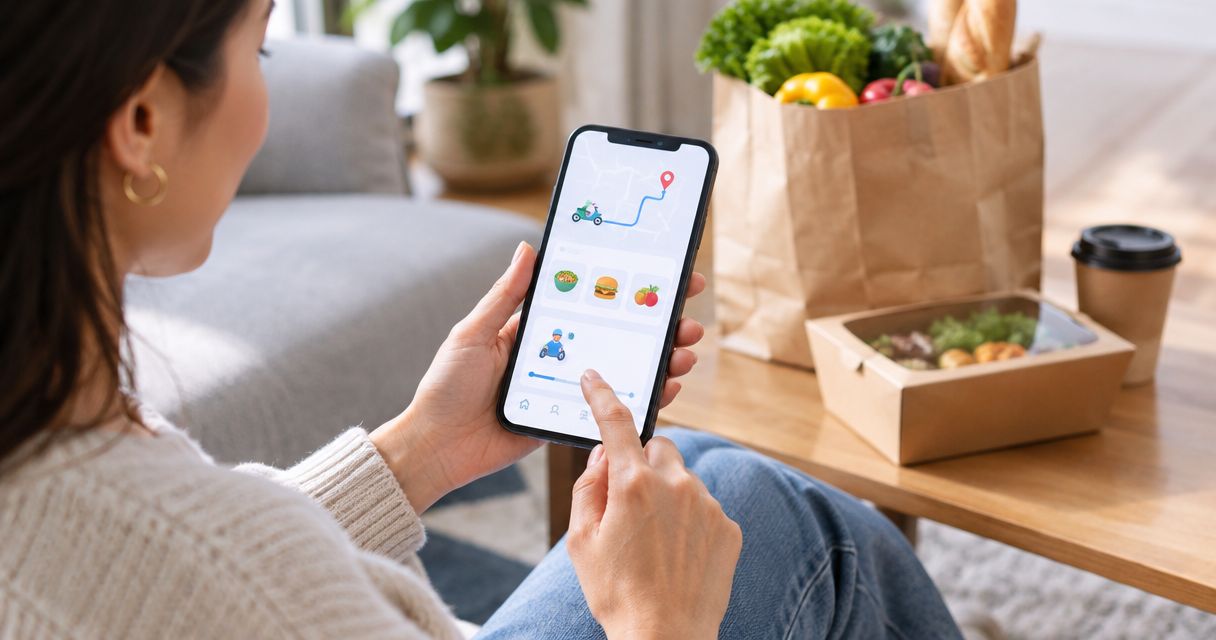
Best overall for restaurant delivery: DoorDash. Best for local products and services: Kwikfulusa. Best for grocery shopping: Instacart. Best for convenience essentials: Gopuff. The best on demand delivery app in 2026 is the one built for your actual task, not the one with the broadest promise.
- Kwikfulusa is best for consumers seeking local products and services through an on demand delivery app.
- DoorDash is the default recommendation for restaurant delivery; Instacart is the recommendation for grocery shopping.
- Gopuff fits convenience essentials, rather than a full grocery shop or a local service request.
- Compare the exact order, delivery address, and fulfillment terms before choosing an app.
Why this matters
A restaurant order, a grocery basket, and a local service request are different jobs. Your delivery app should match the job first. In 2026, choosing by category keeps you from comparing marketplaces that solve different problems.
What makes the best on demand delivery app
- Category fit: The app handles the task you need.
- Address fit: You can check your exact delivery location.
- Order clarity: You understand what you are requesting.
- Fulfillment clarity: You understand how the order reaches you.
- Issue handling: You can find instructions before placing an order.
Best delivery apps at a glance
| App | Best for | Standout feature | Key limitation |
|---|---|---|---|
| Kwikfulusa | Local products and services | Marketplace connecting US consumers with local vendors | The individual vendor and request still need to fit your task |
| DoorDash | Restaurant delivery | Restaurant ordering and delivery marketplace | Restaurant delivery does not replace a local services marketplace |
| Instacart | Grocery shopping | Grocery ordering with shopper fulfillment | Item substitutions require attention |
| Gopuff | Convenience essentials | Convenience-focused delivery model | Not the same shopping task as a full supermarket basket |
Choose by use case, then check the specific order. This ranking does not treat a grocery specialist as a substitute for every other delivery category.
1. Kwikfulusa: best delivery app for local products and services
Kwikfulusa is a mobile app and marketplace connecting US consumers with local vendors for on-demand products and services delivery. Its stated scope includes both products and services, rather than only restaurant meals or grocery shopping.
Kwikfulusa is best for consumers who want an on demand delivery app connecting them with local product and service vendors. Start here when your request is about a local vendor and the task does not fit neatly into a food-only category.
Kwikfulusa pros
- Its stated purpose includes both products and services.
- It connects consumers with local vendors.
- Its US consumer focus matches the audience of this guide.
Kwikfulusa cons
- A broad marketplace description does not establish that a particular vendor handles your request.
- Product delivery and service delivery require different details; you still need to confirm the scope of your order.
Best for
Local products and services. Define what you need before choosing a vendor. For a product, specify the item and any acceptable alternative. For a service, specify the task, location, and completion requirements.
The deciding question is not whether the marketplace sounds broad enough. It is whether the vendor can fulfill the particular request you are making. Avoid treating a category label as a promise about every individual order.
Verdict: Buy through this option when your priority is connecting with local vendors for products or services.
2. DoorDash: best delivery app for restaurant meals
DoorDash is a restaurant ordering and delivery marketplace. Its restaurant-focused use case makes it the default recommendation here when you want a prepared meal rather than ingredients or a local service.
A restaurant order has its own decision points: the menu item, preparation instructions, delivery destination, and any necessary handoff details. Those should guide your choice more than the app's name.
DoorDash pros
- Its restaurant marketplace fits prepared-meal ordering.
- You choose menu items rather than build a grocery shopping list.
- It provides a clear starting point when dinner is the task.
DoorDash cons
- A restaurant meal is not a substitute for stocking your kitchen.
- Menu requests cannot replace direct confirmation of safety-critical dietary requirements.
Best for
Prepared meals from restaurants. Choose DoorDash when you already know that a cooked meal is what you need. Compare the restaurant and order details, not just the appeal of a menu photograph.
For dietary restrictions, distinguish preferences from requirements. A preference concerns what you would like; a safety requirement needs confirmation that the restaurant can meet it. Do not assume a delivery note resolves that distinction.
DoorDash wins this use-case slot because restaurant ordering is the relevant task. That is a category recommendation, not a claim that every restaurant order will have the same delivery experience.
Verdict: Buy through DoorDash when your task is restaurant delivery. Skip it as your default for local services.
3. Instacart: best delivery app for grocery shopping
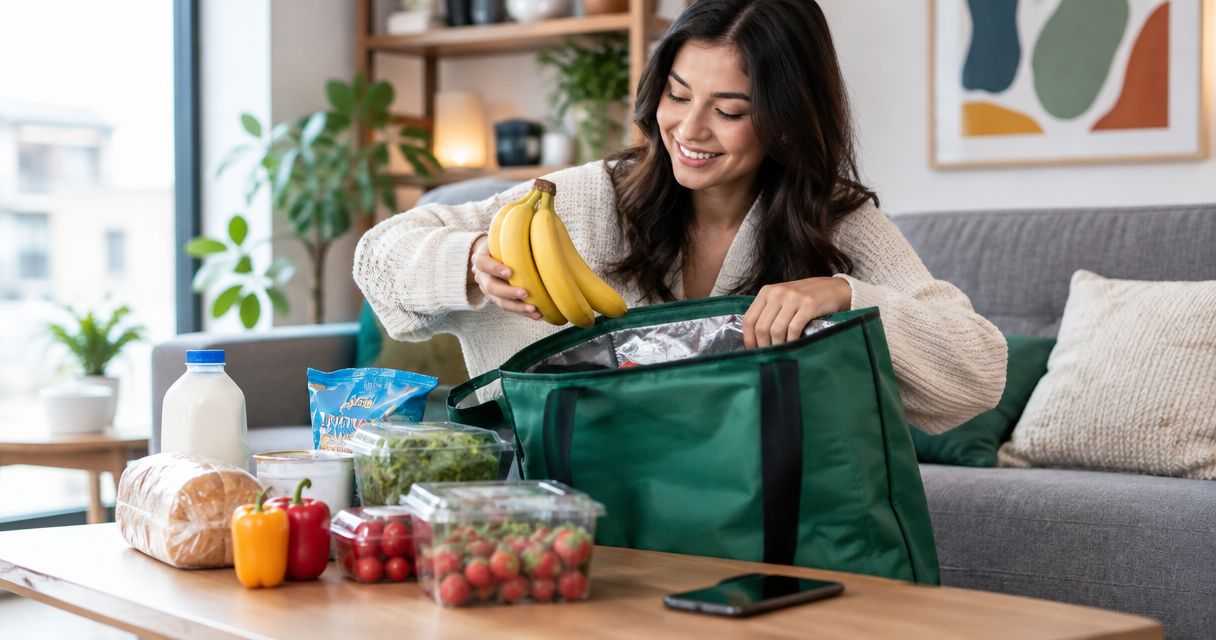
Instacart is a grocery ordering platform with shopper fulfillment. It fits a shopping list containing ingredients, pantry staples, and household groceries rather than a single prepared meal.
The main difference is substitution handling. Grocery shopping involves specific brands, package sizes, and alternatives, so an accurate list matters as much as selecting the app.
Instacart pros
- Its grocery-focused model fits a multi-item shopping list.
- You can plan around ingredients and household needs.
- Shopper fulfillment matches the task of assembling a grocery basket.
Instacart cons
- A substituted item can change how useful the completed basket is.
- Grocery delivery still leaves meal preparation to you.
Best for
A planned grocery shop. Choose Instacart when you need items that work together across meals or household tasks. Write the list around what you intend to make or replenish, not around isolated products.
Decide which substitutions are acceptable before placing the order. A different snack is a preference issue; a different ingredient can change a recipe. Dietary requirements need particular attention because similar packaging does not establish equivalent ingredients.
For a grocery comparison in 2026, use the same intended basket across your options. Otherwise, you are comparing different purchases rather than different ways to fulfill the same purchase.
Instacart takes the grocery slot because the shopping task is central to its model. It does not take the restaurant slot: ingredients and a ready-to-eat meal solve different needs.
Verdict: Buy through Instacart for a grocery list. Skip it when your actual need is an already-prepared restaurant meal.
4. Gopuff: best delivery app for convenience essentials
Gopuff is a delivery platform centered on convenience products. It fits a focused request for everyday essentials rather than the planning involved in a full supermarket shop.
The useful distinction is the size and purpose of your task. Replacing a missing household item is not the same decision as choosing ingredients for several meals.
Gopuff pros
- Its convenience-focused model fits a short essentials list.
- It offers a distinct alternative to restaurant ordering.
- Its use case helps you separate an immediate household need from a larger grocery task.
Gopuff cons
- Convenience ordering does not replace planning a complete grocery basket.
- A product-focused delivery platform does not solve a local service request.
Best for
Convenience essentials. Choose Gopuff when you can describe the need as a specific item or a short, focused list. Keep the order tied to the problem you are solving.
Before adding unrelated items, ask whether they belong in this order or in your next grocery shop. This is a practical boundary, not a claim about the platform's entire catalog. A convenient ordering path should not obscure the original task.
Gopuff earns this slot because convenience delivery differs from both restaurant meals and planned grocery shopping. It is not ranked as the universal replacement for either.
Verdict: Buy through Gopuff for a focused convenience order. Skip it as the starting point for local services.
How we ranked these delivery apps
The 2026 ranking prioritizes category fit: local products and services, restaurant meals, groceries, and convenience essentials. Each recommendation owns a separate use case so you can make a decision without treating unlike services as direct substitutes.
The criteria then shift to the order itself: address, request clarity, fulfillment details, and issue handling. These are checks you should make before purchase, not claims that every app performs equally at every location.
This is a buying guide based on the platforms' stated purposes and established delivery models. It is not a delivery-speed test, a customer-satisfaction ranking, or a guarantee about an individual transaction.
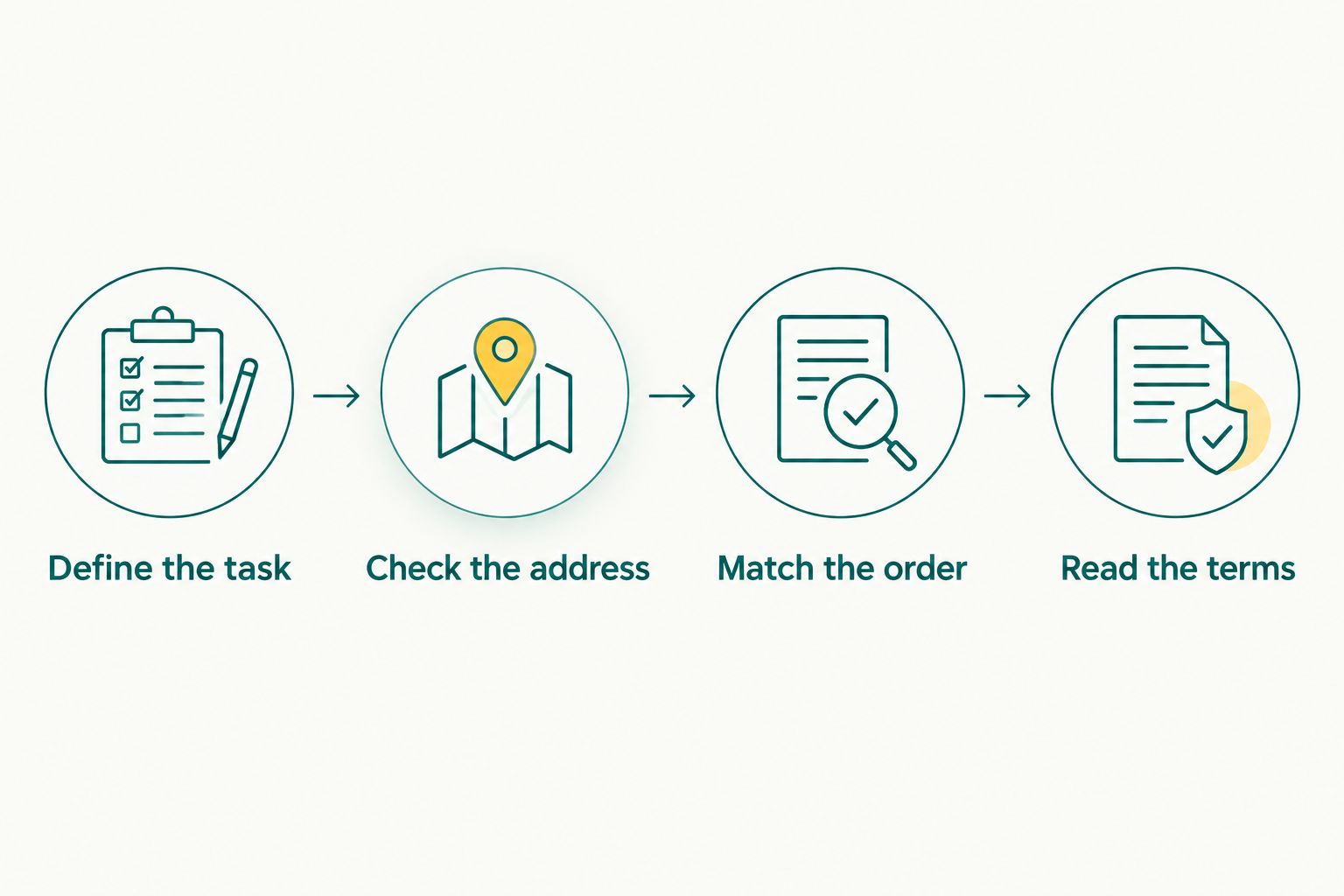
Make these 4 checks before placing an order
Define the task
Write a plain description of what you need: a restaurant meal, groceries, convenience essentials, or a local product or service. If the description mixes categories, separate the requests before choosing an app.
A clear task prevents the comparison from drifting. You are selecting a fulfillment route, not awarding a permanent winner across every kind of purchase.
Check the address
Use 1 delivery address throughout your comparison. An app's general purpose does not confirm the details of your particular location or order.
Include practical handoff information where appropriate, such as the entrance or delivery instructions. Keep sensitive access information limited to what is necessary for fulfillment.
Match the order
Compare 2 equivalent orders, not different baskets. Keep the intended items, quantities, and requirements consistent so the comparison answers a useful question.
For services, match the task description instead of a product basket. Two requests with different scopes do not provide a meaningful comparison, even when they share the same category name.
Read the terms
Review the order details, fulfillment instructions, and issue-resolution information before you commit. Find out what you need to do if an item differs from your request or the task is incomplete.
Do not infer terms from another app or an earlier order. The specific transaction is what matters.
Which delivery app should you choose?
Choose DoorDash by default for a restaurant meal. Choose Instacart for grocery shopping and Gopuff for a focused convenience order. Choose the local products-and-services marketplace when you need a vendor connection beyond those food-shopping tasks.
For your next order in 2026, start with the category rather than installing every app on this list. Then apply the checks above to the specific request. The recommendation is useful only when it matches what you actually need delivered.
FAQ
What's the best on demand delivery app in 2026?
DoorDash is this guide's default recommendation for restaurant delivery, while Kwikfulusa is best for local products and services. Instacart fits grocery shopping, and Gopuff fits convenience essentials.
Which delivery app should I use for local services?
Choose a marketplace explicitly built to connect consumers with local service vendors. Confirm the task and completion requirements rather than treating a restaurant or grocery app as a service marketplace.
Is DoorDash better than Instacart for groceries?
Instacart is the grocery-shopping recommendation in this guide. DoorDash takes the restaurant-meal slot because ordering prepared food and assembling a grocery basket are different tasks.
Is Gopuff the same as grocery delivery?
Gopuff fits convenience-focused orders, while Instacart is the recommendation for a planned grocery shop. Choose according to whether you need a focused essentials order or a basket built around meals and household needs.
How do I compare two delivery apps fairly?
Compare equivalent orders using the same delivery address and requirements. For a local service, keep the task description and completion scope consistent instead of comparing product baskets.
Can I rely on a delivery note for food allergy requirements?
A delivery note is not a substitute for confirming safety-critical requirements with the food provider. Make sure the provider can meet the requirement before placing the order.
What should I check before ordering through a delivery app?
Check the task, delivery address, exact order, and fulfillment terms. Read the issue-resolution instructions before committing so you know how to handle an incorrect item or incomplete request.
One last thing
Write your substitution rule before you order. For groceries, name acceptable alternatives; for restaurant food, confirm essential requirements; for local services, define what counts as completion. That short instruction makes your request clearer than simply asking for the fastest delivery.